
Cathodic Protection and Corrosion Control
Cathodic protection is a proven method for preventing corrosion and extending the lifespan of assets. By using sacrificial anodes or impressed current, cathode protection can provide a cost-effective and long-term solution to corrosion prevention.
Choosing the right cathode protection system depends on several factors, including the type of metal being protected, the environment it’s in, and the level of corrosion prevention required. It’s important to work with a qualified cathode protection specialist to determine the best system for your specific needs.
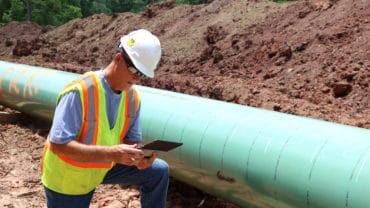
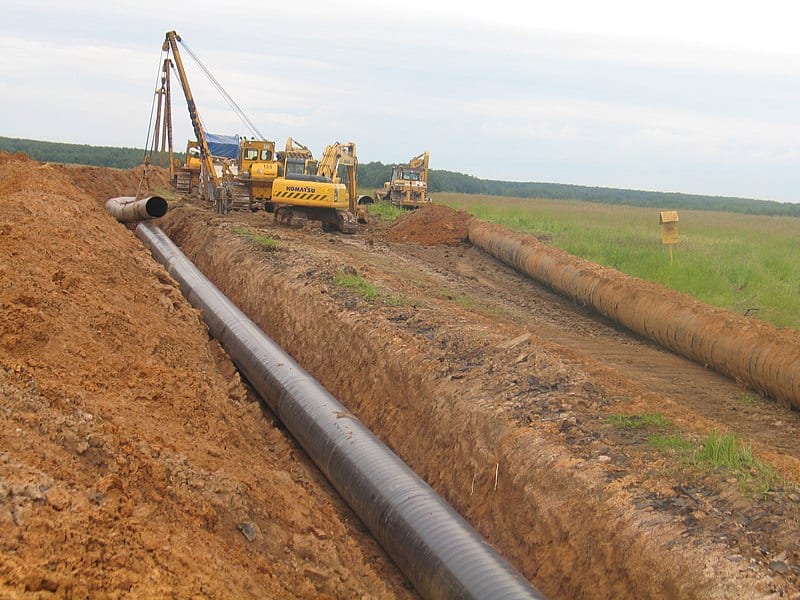
Cathodic Protection Services Include:
Cathodic Protection Services Include:
- Asset Management
- Field Survey
- System Install, Troubleshooting and Maintenance
- Data Tracking (PCS)
- AC Modeling
- AC Mitigation
- Pipeline Management
- Compliance Management
- Regulatory Audit Preparation
- Regulatory Audit Representation
What Makes Altamira Your Competitive Advantage?
Altamira provides a step-by-step corrosion control program for clients, that is specifically developed for each of the main corrosion forms. Altamira’s experience with corrosion control and cathodic protection processes provides clients with innovative and meticulous developed corrosion control plans that mitigate the wide variety of corrosion challenges within process systems equipment.
Our mission at Altamira is to solve our clients’ most complex regulatory, operational and business challenges by being the first choice and trusted partner for strategy, consulting, technical expertise and digital technology solutions.
For more details, download our Cathodic Protection Brochure.
Frequently Asked Questions About Cathodic Protection
Altamira provides full-lifecycle cathodic protection services including system design, installation oversight, annual surveys, close-interval potential surveys (CIPS), rectifier optimization, interference mitigation and PHMSA compliance documentation. Their engineers diagnose protection deficiencies and recommend corrective actions to keep assets protected and compliant.
PHMSA regulations under 49 CFR Part 192 (gas pipelines) and Part 195 (hazardous liquid pipelines) mandate cathodic protection for all buried steel pipelines. These regulations specify minimum protection criteria, testing frequency and documentation requirements. Operators must maintain records demonstrating compliance throughout the pipeline lifecycle.
Cathodic protection effectiveness is measured through pipe-to-soil potential surveys. NACE International and PHMSA require operators to achieve and maintain a minimum protection criterion of -850 mV (CSE) at all pipe locations. Regular close-interval potential surveys (CIPS), rectifier checks and annual surveys verify that the system meets protection criteria.
Two main systems are used: impressed current cathodic protection (ICCP), which uses an external power source and inert anodes to drive protective current and galvanic (sacrificial anode) systems, which use more active metals like zinc or magnesium that corrode preferentially to protect the pipeline. The right system depends on soil resistivity, pipeline size and coating condition.
Cathodic protection (CP) is an electrochemical technique used to control corrosion on buried or submerged metal structures such as pipelines, tanks and marine vessels. It works by making the metal structure the cathode of an electrochemical cell, either through impressed current (ICCP) or sacrificial anodes, which prevents the oxidation reaction that causes corrosion.
Empower Your Next Project With Altamira’s Expertise
Whether you need air quality compliance support for a chemical processing plant or are building a new manufacturing facility, you need an experienced partner to ensure positive outcomes. Let Altamira’s expert team bolster decision-making and empower your facility to overcome challenges efficiently. We offer support to clients throughout the U.S.
Contact us today to discuss your industrial or commercial project.
