
Stormwater Pollution Prevention Plan (SWPPP)
Stormwater management is an important part of a company’s environmental stewardship. Stormwater runoff can carry pollutants from storage, process or transfer areas into local watersheds through a variety of pathways. Unmanaged stormwater can cause downstream flooding, stream bank erosion, increased turbidity, habitat destruction, combined storm and sanitary sewer system overflows, infrastructure damage and contaminated streams, rivers and coastal water.
Stormwater regulations and determining the appropriate jurisdiction can be a tricky process. Altamira’s stormwater experience can help you navigate the waters, the activity conducted on-site and the discharge location of stormwater. Stormwater compliance applicability is often determined by your company’s Standard Industrial Classification (SIC) Code, the activity conducted on-site and the discharge location of your stormwater.
Altamira can help you determine stormwater permitting requirements and prepare a Stormwater Pollution Prevention Plan (SWPPP/SWP3) that complies with all appropriate regulations and help implement the content in accordance with good engineering practices and industry standards.
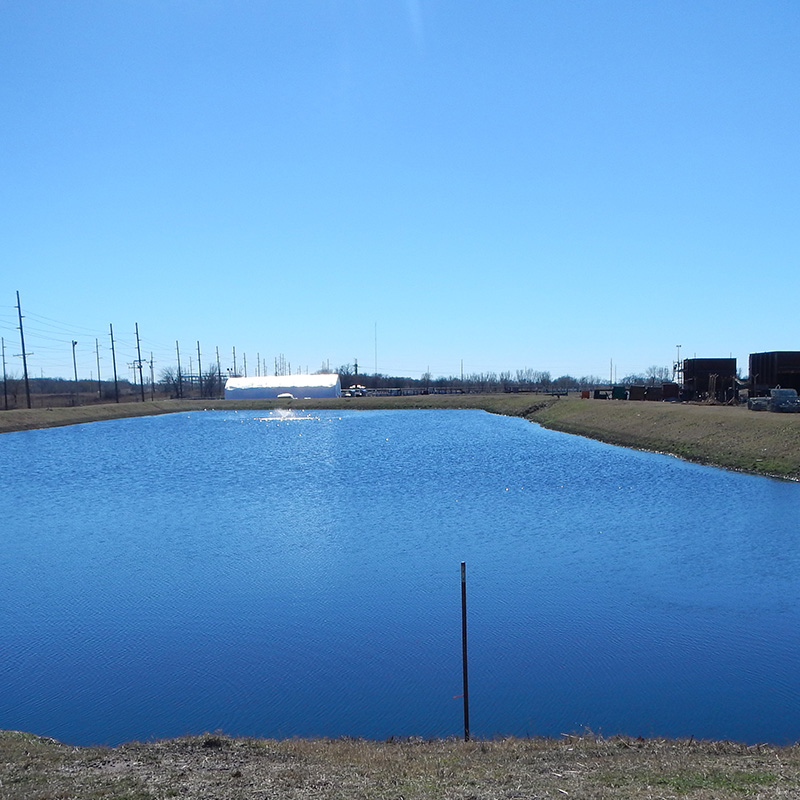
Stormwater Management Services
- Conduct site inspections
- File NOI, NOC, NOT or NEC
- Determine outfall locations
- Identify potential pollutants and sources
- Confirm Standard Industrial Classification (SIC) Code and applicability to regulations
- Develop pollution prevention measures and controls (includes BMPs and good housekeeping measures)
- Prepare Stormwater Pollution Prevention Plans (SWPPP/SWP3)
- Conduct employee training programs and employee education
- Evaluate results of inspections and sample monitoring to determine reporting requirements
- Collect and advise on stormwater sample collections and monitoring
- Prepare and Submit Discharge Monitoring Reports (DMR), annual inspection reports and/or other reports to the regulatory agency

What Makes Altamira Your Competitive Advantage?
Our stormwater experts stay actively engaged with the regulatory community to ensure Altamira is consistently updated on permit renewals, general permits and all stormwater-related news.
Our mission at Altamira is to solve our clients’ most complex regulatory, operational and business challenges by being the first choice and trusted partner for strategy, consulting, technical expertise and digital technology solutions.
For more details, download our Stormwater Pollution Prevention Plan brochure.
Frequently Asked Questions About Stormwater Pollution Prevention Plans
Altamira prepares SWPPPs for construction projects, industrial facilities and oil and gas operations across Texas, Oklahoma, Louisiana and neighboring states. Their team conducts site assessments, selects appropriate BMPs, prepares permit applications, provides training for site personnel and assists with corrective actions when stormwater controls are compromised or inadequate.
BMPs are physical controls, operational practices and procedures designed to prevent or reduce stormwater pollution. Examples include silt fences, sediment basins, stabilized construction entrances, spill kits, covered material storage, secondary containment, vehicle washing areas and regular sweeping of paved surfaces. BMPs must be appropriate for the facility type and maintained in effective operating condition.
A complete SWPPP includes a site description and drainage map, identification of potential pollutant sources, best management practices such as erosion controls and sediment barriers, inspection schedules and procedures, corrective action protocols, training records and documentation of permit coverage. The plan must be updated whenever site conditions or activities change and must be available on-site for regulatory inspection.
A SWPPP is required for construction activities disturbing one acre or more of land and for industrial facilities with stormwater discharges covered under EPA’s Multi-Sector General Permit. Oil and gas facilities, refineries, terminals, chemical facilities and many manufacturing plants must have SWPPPs as a condition of their stormwater discharge permits.
A Stormwater Pollution Prevention Plan (SWPPP) is a site-specific document required under the EPA’s National Pollutant Discharge Elimination System (NPDES) program. It identifies potential pollutant sources at a facility or construction site and describes best management practices (BMPs) that will be implemented to prevent stormwater contamination from reaching waterways.
